
Attic Rain: Causes, warning signs, and Prevention
By Kristina Hill
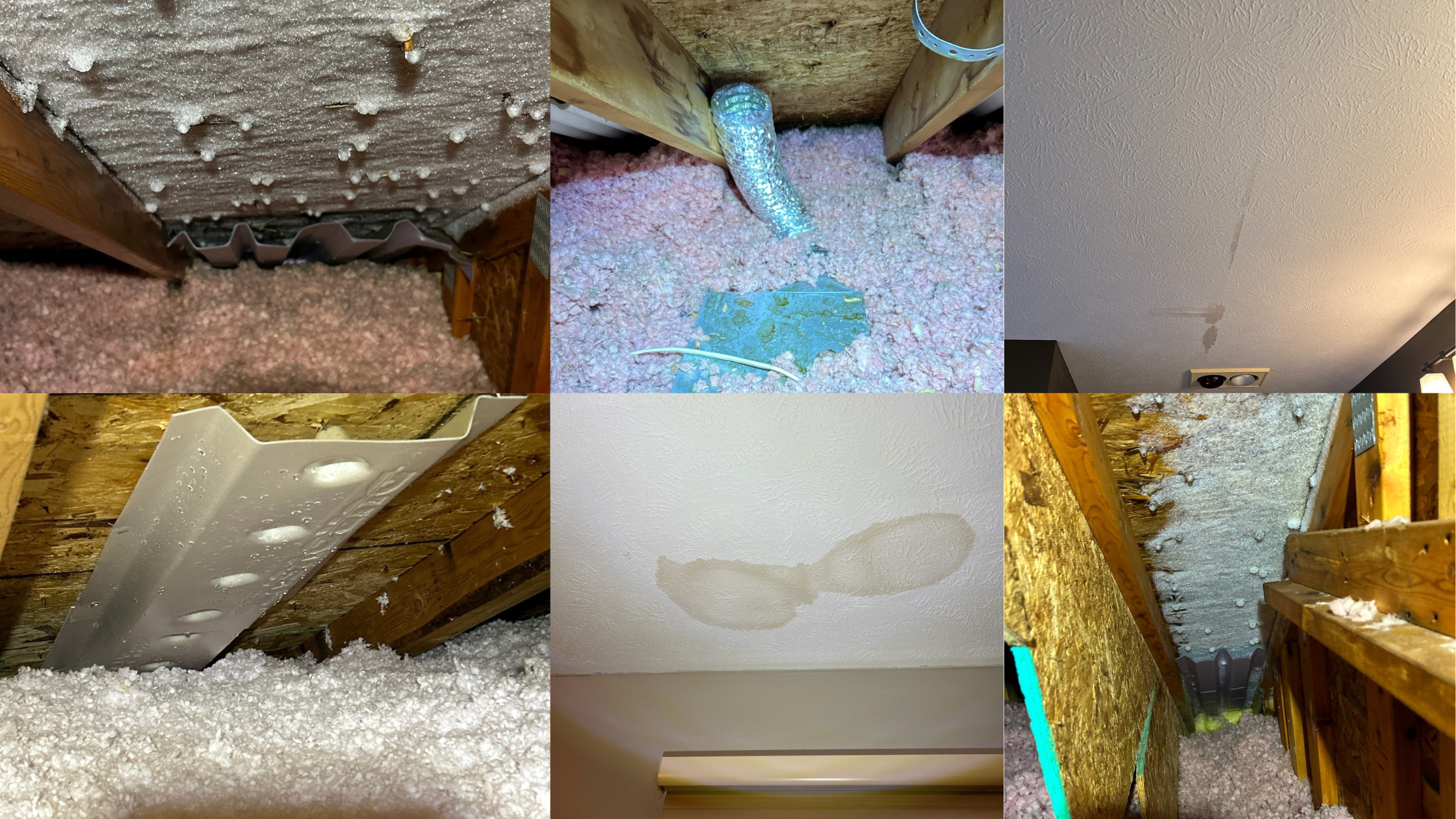
Attic rain is a common but often misunderstood moisture issue affecting homes across Nebraska, especially during winter. Homeowners in Lincoln, Omaha, and surrounding communities often notice dripping water, damp insulation, or ceiling stains and immediately assume they have a roof leak. In many cases, the roof is not the problem at all.
Attic rain is caused by condensation inside the attic. It is closely tied to indoor humidity, air leakage, insulation levels, and temperature differences. Nebraska’s cold winters, snow, and frequent temperature swings create ideal conditions for attic rain to develop.
Understanding what attic rain is, what causes it, and how to prevent it can help homeowners avoid unnecessary roof repairs and long-term moisture damage.
What Is Attic Rain
Attic rain occurs when warm, moisture-filled air from inside the home rises into a cold attic and condenses on surfaces like roof decking, nails, and framing.
During freezing temperatures, that condensation turns into frost. When temperatures warm up, the frost melts and drips back down into the attic, creating a “rain” effect.
Because the moisture originates inside the home, attic rain is not caused by damaged shingles, flashing, or roofing materials. This is why attic rain is often misdiagnosed as a roof leak, particularly in older Nebraska homes.
What Causes Attic Rain in Nebraska Homes
Attic rain usually develops from multiple factors working together and not from one single failure.
Common causes include:
• Inadequate or outdated insulation
Low or uneven insulation allows warm air to escape more easily into the attic, carrying moisture that quickly condenses on cold surfaces.
• Poor attic ventilation
Without proper airflow, moisture becomes trapped instead of being carried out of the attic, allowing condensation to build up on decking, nails, and framing.
• Air leaks and structural gaps
Openings around attic access doors, recessed lighting, plumbing penetrations, and upper-level ceiling cracks allow warm, moist air to rise directly into the attic.
• Improperly vented exhaust ducts
Bathroom fans, kitchen or microwave vents, and dryer vents should never vent air directly into the attic.
When these vents terminate in attic space, they dump large amounts of warm, humid air directly where it does the most damage. Moisture problems are often concentrated near bathrooms, laundry areas, or kitchens for this reason.
This is also a code issue. Residential building codes used throughout Nebraska require these vents to exhaust outside (either through the side of the house or through the roof).
Venting into an attic or crawl space is not permitted because it creates moisture and mold risks.
• High indoor humidity
Everyday activities like showering, cooking, laundry, and even breathing increase indoor moisture. Houseplants can also contribute more humidity than many homeowners realize, especially when several plants are grouped together. During winter, Nebraska homes are sealed tightly to retain heat, which limits where that moisture can escape. When humidity builds up, it naturally moves upward into the attic and contributes to condensation on cold surfaces.
How Nebraska Weather Contributes to Attic Rain
Nebraska’s climate plays a major role in attic rain.
Key climate factors include:
• Rapid temperature swings
Warm indoor air collides with cold attic surfaces, leading to condensation and frost formation.
• Snow and ice buildup
Snow can block attic ventilation openings, reducing airflow and trapping moisture inside.
• Cold outdoor temperatures combined with indoor humidity
This strong temperature contrast increases the likelihood of condensation forming inside the attic.
Signs of Attic Rain
Because attic rain depends on temperature changes, it may appear inconsistently, which makes it harder to identify.
Common signs include:
• Wet or compressed insulation
• Frost on nails or roof framing
• Water stains on ceilings or upper walls (especially around bathroom fans & light fixtures)
• Dripping sounds during temperature changes
• Musty or damp odors in the attic
If left untreated, attic rain can lead to mold growth, wood rot, reduced insulation effectiveness, and long term structural damage. Excess moisture can also shorten the lifespan of roofing materials and attic components.
How to Prevent Attic Rain
Preventing attic rain starts inside the home. Managing moisture and air movement is just as important as what is happening in the attic.
A single shower can release roughly 0.5 to 1.7 liters of moisture into the air, depending on water temperature and shower length. That moisture has to go somewhere and it naturally moves upward.
If bathroom exhaust fans are not running, that warm, humid air rises into the attic where it condenses on cold surfaces. Bathroom fans should be used during every shower and left running for about 20 minutes afterward so moisture can properly vent outside.
Additional prevention steps include:
• Use kitchen or microwave exhaust fans anytime you cook, especially when boiling water
• Adjust humidifier settings for winter conditions
• Keep indoor humidity around 20-25 percent in milder cold and under 20 percent during extreme cold
• Watch for fog or frost on windows as a sign that humidity is too high
• Confirm bathroom, kitchen, and dryer vents terminate outdoors
• Check for disconnected or leaking ductwork in the attic
• Seal attic access doors, ceiling penetrations, and light fixtures
• Maintain proper insulation and balanced attic ventilation (intake & exhaust)
When insulation, airflow, and humidity are working together, the risk of attic rain drops significantly.
What Homeowners Can Do Next
Attic rain often looks worse than it is, especially when it is caught early. Homeowners do not need special tools or training to take a first look.
If it is safe to do so, you can inspect your attic during or after cold weather for signs such as frost on nails, damp insulation, water stains, or musty odors. These are often early indicators that moisture is building up due to humidity, air leakage, or ventilation issues rather than a roof problem.
You can also confirm that your exhaust vents are doing what they are supposed to do. Bathroom fans, kitchen or microwave vents, and dryer vents should all discharge outdoors and not into the attic. In the attic, you should be able to see ductwork running to an exterior wall or roof vent rather than stopping short or dumping air into the space.
Dryer vents are especially important to check. Lint buildup can restrict airflow and trap moisture, which increases humidity and condensation in the attic. Making sure dryer vents are clean and flowing properly helps reduce both moisture issues and fire risk.
Simple changes can go a long way. Running exhaust fans consistently, adjusting indoor humidity levels, confirming vents are properly routed outside, keeping dryer vents clean, and sealing obvious air leaks can significantly reduce the risk of attic rain.
If moisture issues persist or if you are unsure what you are seeing, a professional inspection is an option to help pinpoint the source and confirm whether the issue is attic-related or roof-related.
Final Thoughts
Attic rain is not a sign of a failing roof. It is a sign that heat, air, and moisture are not being properly managed inside the home. This issue is especially common in Nebraska due to cold winters, snow accumulation, and frequent temperature swings.
When addressed early, attic rain can be corrected and prevented with the right combination of air sealing, insulation, ventilation, and humidity control.
Understanding how moisture moves through your home and knowing what to look for puts you in control. Whether you choose to monitor it yourself or have it professionally evaluated, addressing attic rain early helps protect your home from long-term moisture damage and keeps small issues from turning into bigger ones.